


Table of Contents
Introduction
Rosecoco beans farming in Kenya is one of the most profitable pulse crops for small-scale and medium-scale farmers, thanks to its high market demand, good drought tolerance, and attractive farm-gate prices. With proper seed selection, correct spacing, timely pest and disease control, and good post-harvest handling, farmers can achieve 8–15 bags per acre and earn up to KSh 90,000 net profit per acre.
📌If you’re new to bean cultivation, you might want to start with this complete guide to beans farming in Kenya for a broader understanding before diving into Rosecoco production.
1. Why Choose Rosecoco Beans?
Rosecoco beans are a popular high-yielding beans variety in Kenya prized for:
- Attractive appearance – red-marbled grains that fetch premium prices.
- Market demand – high consumption in urban and export markets.
- Nutritional value – rich in protein, fibre, iron, and vitamins.
- Adaptability – grows well in medium to high-altitude regions with well-drained soils.
- Quick maturity – 90–110 days from planting to harvest.
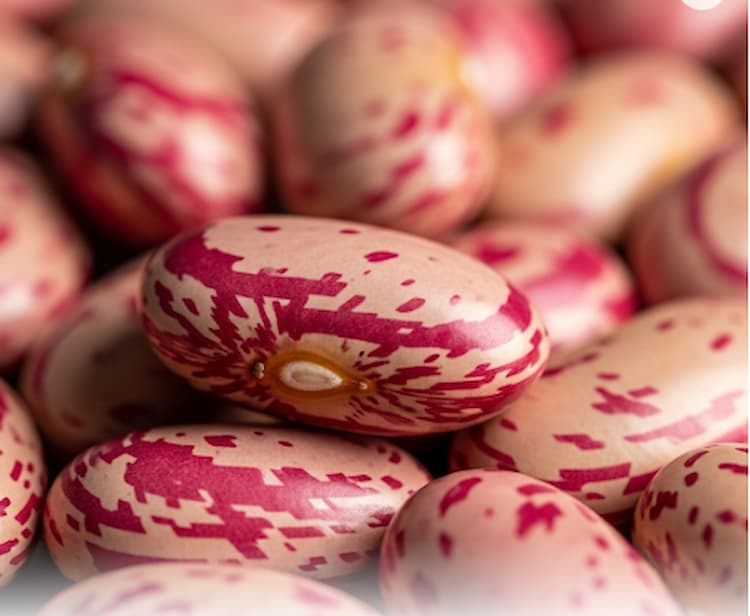
Rosecoco beans images
Unlike some local beans varieties, Rosecoco cooks faster, retains its shape after cooking, and has a distinct buttery taste that keeps demand strong throughout the year.
2. Rosecoco Beans Price in Kenya
Understanding market prices is essential for profitable Rosecoco beans farming in Kenya. On average, the Rosecoco beans price at the farm-gate ranges between KSh 115–120 per kg (about KSh 10,300–10,800 per 90 kg bag). Retail Rose coco beans price Kenya in local markets is slightly higher, often between KSh 125–130 per kg (about KSh 11,500–11,700 per 90 kg bag).
Prices fluctuate depending on the season, demand, and region. Farmers who plan their planting so that harvesting falls in the off-season—when supply is low—can command significantly higher prices and maximize profits from their Rosecoco beans farming in Kenya enterprise.
3. Choosing Certified Seeds
Use certified Rosecoco beans Kenya seeds to ensure uniform germination, higher yields, and resistance to common diseases. Recommended sources include:
- Simlaw Seeds
- Kenya Seed Company
- Accredited agro-dealers in your county
Certified seeds are free from weevils, have high germination rates, and maintain varietal purity. Avoid replanting market beans as they may have poor vigour, low yields, and increased risk of disease carryover. Choosing quality Rosecoco beans Kenya seeds is the first step toward a profitable harvest.
4. Land Preparation
Successful Rosecoco beans farming starts with fertile, well-drained soils and a pH between 6.0 and 7.0.
- First ploughing: Carry out 2–3 weeks before planting to expose weeds and soil pests.
- Harrowing: Break large soil clods to create a fine tilth, making it easier for roots to penetrate.
- Fertilizer application: Mix in well-decomposed manure or apply DAP at a rate of 100 kg per acre during planting.
Avoid waterlogged areas, as excess moisture increases the risk of root rot. Proper land preparation is a critical first step for achieving high yields in Rosecoco farming in Kenya.
5. Recommended Spacing and Planting Rate
Here are recommended spacing of Rosecoco beans:
- Row spacing: 45 cm (18 inches) between rows
- Plant spacing within rows: 10–15 cm (4–6 inches) between plants
- Seed rate: 25–30 kg of Rosecoco beans seed per acre
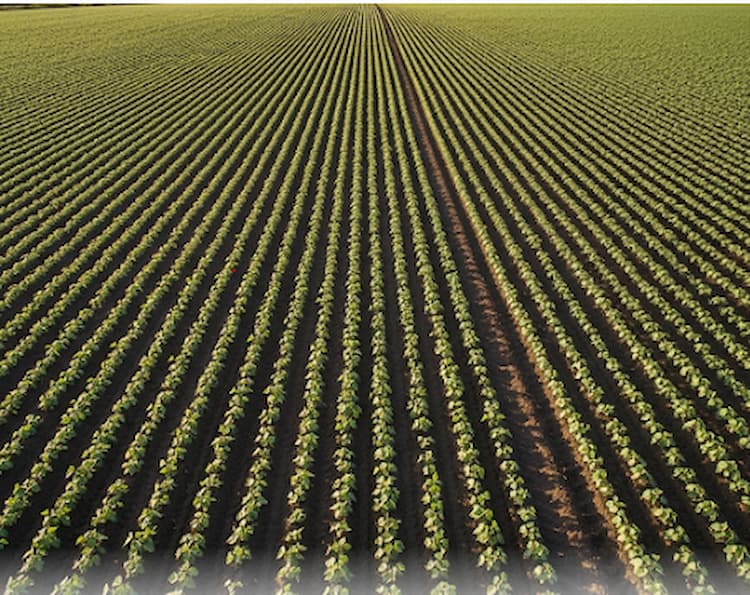
Plant 1–2 seeds per hole, about 3–5 cm deep. Correct beans spacing in Kenya not only prevents overcrowding but also improves air circulation, reducing the risk of fungal diseases and boosting overall yield quality.
6. Crop Management
Effective crop management is essential for high yields in Rosecoco farming in Kenya and other types of beans farming.
Weeding
- First weeding: 2–3 weeks after emergence.
- Second weeding: Just before flowering.
Avoid deep weeding after flowering to prevent root damage, as beans have shallow roots.
Top-Dressing
If leaves turn yellow mid-season, apply Calcium Ammonium Nitrate (CAN) at 50 kg per acre to boost growth and improve pod development.
Irrigation
While Rosecoco beans can withstand short dry spells, providing irrigation during flowering and pod-filling stages significantly increases yields and ensures uniform grain filling.
7. Pest and Disease Control
Effective pest and disease management is critical for high yields.
Common Pests
1. Bean Fly
- Symptoms: Swollen stem base, wilting, poor growth.
- Control:
- Use certified seeds.
- Treat seeds with recommended insecticide before planting.
- Apply systemic insecticides (e.g., Imidacloprid) at early growth stages.
2. Aphids
- Symptoms: Curling leaves, sticky honeydew, stunted growth.
- Control:
- Encourage natural predators (ladybirds).
- Spray with systemic insecticides like Confidor or Actara when infestations are high.

📌READ ALSO: Diatomaceous earth and its value in farming
Common Diseases
1. Angular Leaf Spot
- Symptoms: Brown angular lesions on leaves, reduced photosynthesis.
- Control:
- Rotate with non-legume crops.
- Spray fungicides like Copper Oxychloride.
2. Rust
- Symptoms: Reddish-brown powdery pustules on leaves.
- Control:
- Use resistant varieties.
- Spray with Mancozeb or Triazole fungicides at first sign of infection.
Integrated pest management combines field hygiene, crop rotation, timely spraying, and resistant varieties to reduce chemical dependence.
8. Rosecoco Beans Yield per Acre
- Average yields: 8–10 bags (720–900 kg) per acre
- Best practice yields: 12–15 bags per acre with good management
9. Harvesting
Harvest when 90% of pods have turned yellow and produce a rattling sound when shaken.
- Pull plants by hand or cut at the base.
- Dry in the sun for 2–3 days before threshing.
- Winnow to remove debris, then dry further to 12% moisture.

Proper post-harvest handling prevents mould growth and weevil attack.
10. Profitability
Example per acre:
- Cost of production: ≈ KSh 17,500
- Yield: 10 bags @ KSh 10,800 each = KSh 108,000
- Net profit: ≈ KSh 90,500
Profitability improves when you target off-season prices and reduce losses through good pest and disease management.
FAQs About Rosecoco Beans Farming in Kenya
What is the best spacing of beans in Kenya for Rosecoco?
The recommended spacing of beans in Kenya for Rosecoco is 45 cm between rows and 10–15 cm between plants. This allows for optimal air circulation, better light penetration, and easier weeding, which improves overall bean production.
How many kgs of beans to plant per acre for Rosecoco?
Use 25–30 kg of certified seeds per acre. This ensures proper plant density for maximum yield. Using certified seeds also reduces the risk of poor germination and disease carryover compared to replanting market beans.
What is the current Rosecoco beans price in Kenya?
The Rosecoco beans price in Kenya varies depending on the season and region. On average, farm-gate prices range from KSh 115–120 per kg, while retail prices can go up to KSh 130 per kg during the off-season.
How profitable is Rosecoco beans farming in Kenya?
Rosecoco farming in Kenya can be highly profitable, especially when done with proper crop management and timing. Farmers who plant early and sell during the off-season can earn between KSh 115–130 per kg, with yields averaging 8–12 bags per acre under good management.
Which are the high-yielding beans varieties in Kenya?
Some of the high-yielding beans varieties in Kenya include Rosecoco, GLP 2 (Mwezi Moja), Canadian Wonder, and KAT B1. Rosecoco is popular for its good market demand, attractive grain, and strong flavour.
Conclusion
Rosecoco beans farming in Kenya offers reliable income for farmers willing to follow best practices. By starting with certified seed, using proper spacing, controlling pests early, and harvesting at the right time, farmers can achieve excellent yields and profits.
📌If you’re exploring other ventures alongside Rosecoco farming, here’s a guide to profitable small-scale agribusiness ideas in Kenya worth considering.


Leave a Reply